How to Choose a Gemstone Sculpture for Your Home, Office or Gift
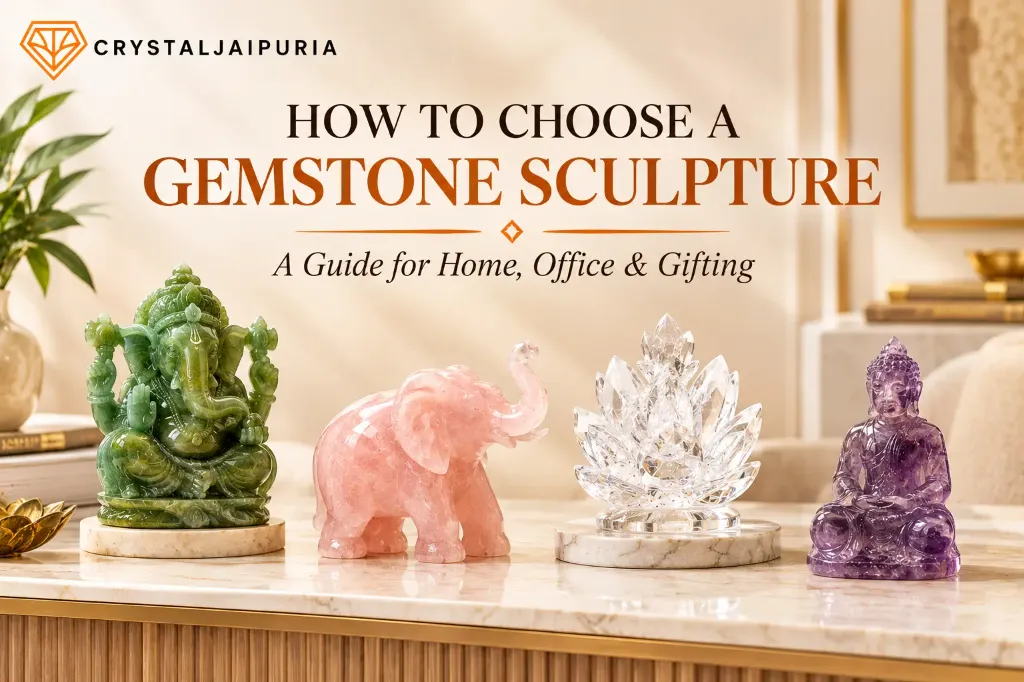
Choosing a gemstone sculpture involves far more than simply selecting an attractive colour or aesthetic silhouette. A truly exceptional piece must harmonize with its intended architectural location, available spatial proportions, decorative style, and practical structural requirements.
Natural gemstone sculptures encompass an expansive variety of materials, geometries, dimensions, and craftsmanship traditions. While some feature minimalist polished geometric forms, others showcase intricate hand-carved figurines, symbolic animals, sacred religious deities, and heirloom decorative centerpieces.
The most reliable method to choose a gemstone sculpture is to methodically evaluate its mineral material, physical dimensions, artistic design, lapidary finishing, intended environment, and budget before making a purchase. This comprehensive guide outlines the critical criteria to consider when investing in a gemstone carving for a home, corporate workspace, or commemorative gift.
✨ Core Selection Summary
- • Location First: Align the sculpture's scale and weight with the furniture stability and lighting of the room.
- • Material Awareness: Choose minerals suited to the ambient environment (e.g., Mohs hardness, light sensitivity, and cleaning needs).
- • Craftsmanship Inspection: Look beyond surface polish to examine anatomical proportions, undercut details, and base balance.
- • Transparent Verification: Request precise measurements, weight verification, and authenticity certification before ordering.
1. Decide Where the Sculpture Will Be Displayed
The selection process must always begin with the physical space. A sculpture conceived as a striking living-room focal point demands different proportions and visual presence than an intimate piece curated for an executive desk or an apartment reception foyer.
Living Room Displays
Larger sculptures serve as compelling statement centerpieces on console tables, display credenzas, and dedicated niches. Ensure sufficient negative space around the sculpture so it does not visually crowd neighboring accessories.
Executive Office & Desks
Workplace sculptures should be stable, compact (3 to 6 inches), and proportionate to the desk surface. Pieces in reception lounges or conference rooms should convey quiet authority and professional elegance.
Sacred Home Temple (Pooja Altar)
For religious sculptures, evaluate traditional Vedic Shilpa Shastra proportions, suitable Jalabhishek tolerance, and altar vertical clearance to ensure reverence and ritual ease.
Bedroom & Personal Sanctuaries
Soft, harmonizing minerals like rose quartz or calming clear quartz work best on bedside consoles and vanity tables, encouraging emotional relaxation and serene balance.
Display location also imposes structural demands. Substantial natural sculptures (weighing 3 kg to 20+ kg) require solid hardwood or reinforced stone consoles with dependable load-bearing support.
2. Choose the Right Gemstone Material
The mineral composition defines the sculpture's optical brilliance, tactile weight, physical durability (Mohs hardness), and long-term care requirements. Do not select a stone based solely on surface colour; understand its mineral properties:
Clear Quartz (Sphatik) • Mohs 7
Revered for optical brilliance and natural internal veil inclusions. Highly durable for sacred lingams, geometric yantras, and architectural carvings.
Rose Quartz • Mohs 7
Celebrated for delicate translucent blush-pink hues. Ideal for love-bird swans, compassionate Ganesha figurines, and tranquil bedroom decor.
Green Jade (Nephrite & Jadeite) • Mohs 6.0–6.5
Legendary for its microcrystalline fibrous toughness. Resistant to chipping, jade is the historical medium of choice for heirloom deity idols and imperial carvings.
Lapis Lazuli • Mohs 5.0–5.5
Metamorphic deep celestial blue rock flecked with golden brassy pyrite. Offers dramatic visual richness for executive desks, Vastu horses, and temple murtis.
Natural Amethyst • Mohs 7
Vibrant lilac to royal velvet purple quartz. Captivating under natural daylight, perfect for meditating Buddhas, protective angels, and spiritual sanctuaries.
3. Select the Appropriate Size and Physical Dimensions
A frequent misstep in acquiring sculptures online is relying on perspective studio photographs. Macro photography and close-up camera angles can make a 2-inch carving appear monumental, or cause a 15-inch statement statue to look compact.
Always verify the three essential spatial metrics:
- Overall Height: From the base bottom to the highest carving crest or arch (Prabhavali).
- Footprint Base (Width × Depth): Determines whether the sculpture fits securely on the shelf, niche, or display pedestal without hanging over edges.
- Total Density & Weight: Natural minerals possess substantial specific gravities (2.65 g/cm³ for quartz up to 4.00 g/cm³ for corundum ruby and sapphire). Ensure your furniture supports the weight.
4. Choose a Design That Suits the Purpose
Gemstone carvings encompass both sacred and secular iconography. Select an artistic archetype aligned with your intent:
Deities & Spiritual
Ganesha, Shiva, Krishna, Mahalakshmi, and Jain Tirthankaras carved adhering to traditional Shilpa Shastra iconography for daily worship and temple shrines.
Vastu & Animal Figurines
Elephants for strength and royal dignity, galloping horses for career momentum, tortoise for longevity, and swans for grace in reception foyers.
Abstract & Contemporary
Polished mineral monoliths, organic flame forms, natural freeform druzy geode slices, and obelisks tailored for modern minimalist living spaces.
5. Evaluate the Level of Craftsmanship
Craftsmanship defines the artistic soul and longevity of a stone carving. Examine these key hallmarks:
- Anatomical Harmony & Proportions: Check the symmetry of limbs, trunk curl in Ganesha idols, facial calmness, and the delicate posture of ornamental figurines.
- Surface Finish & Diamond Polish: High-grade lapidary work displays an even mirror lustre across curved contours without dull blotches, abrasive wheel gouges, or uneven pitting.
- Undercuts and Fine Piercing: Skilled artisans invest dozens of hours carefully carving negative spaces under arms, jewelry ornaments, and crown plumes without shattering the natural stone matrix.
- Base Stability: Ensure the base is level and ground smooth so the idol stands firmly without wobbling or risking accidental tipping.
6. How to Select a Gemstone Sculpture as a Gift
Gemstone sculptures are enduring, heirloom-grade gifts for housewarmings (Griha Pravesh), weddings, corporate milestones, and Diwali celebrations:
Housewarmings & Diwali
Sphatik Ganesha or Green Jade Lakshmi-Ganesha pairs symbolize prosperity, auspicious beginnings, and positive spiritual vibrations for a new home.
Weddings & Anniversaries
Rose quartz Radha Krishna or entwined swan pairs represent enduring affection, harmony, emotional warmth, and mutual devotion.
Corporate & Retirement Gifts
Lapis lazuli eagles, tiger eye galloping horses, or polished quartz pyramids symbolize strategic vision, wisdom, leadership, and stability.
Packaging Considerations
Ensure the gift arrives in a velvet-lined satin gift box accompanied by a certificate of authenticity detailing the mineral origins and gemstone care instructions.
7. Buyer's Pre-Purchase Verification Checklist
| Checkpoint | What to Verify Before Ordering |
|---|---|
| Material Authenticity | Confirm exact geological mineral variety; ensure zero composite powders or synthetic resins. |
| Exact Dimensions | Height, base width, and depth in inches or cm; verify spatial clearance for your space. |
| Weight Verification | Actual recorded weight in grams, kg, or carats to confirm natural mineral density. |
| Carving Quality | Request multi-angle 360-degree high-definition photos or video inspection of the actual piece. |
| Surface Finish | Inspect for unintentional chips, deep fractures, or abrasive tool marks on focal surfaces. |
| Documentation | Independent gemological laboratory test report or manufacturer authenticity guarantee. |
| Packaging & Transit | Custom multi-layer foam and reinforced wooden crate packaging with full transit insurance. |
| Return Policy | Clear damage replacement guarantees and documented transit insurance coverage. |
Explore Certified Gemstone Carvings from Jaipur
Browse our curated artisanal collections at Crystal Jaipuria, handcrafted by master lapidary sculptors in Sanganer, Jaipur since 1989.
Frequently Asked Questions
1. Which gemstone sculpture is suitable for home décor?
The right choice depends on your interior style, available space, preferred material, and decorative purpose. Rose quartz, clear quartz, and green jade offer subtle neutral harmony, while deep blue lapis lazuli and amethyst create bold accent focal points.
2. How do I select the correct sculpture size?
Always measure the display surface width, depth, and vertical clearance before ordering. Compare actual product dimensions in inches or centimetres rather than relying on perspective photos alone.
3. Are natural gemstone sculptures identical?
No. Natural earth-mined stones vary in colour zoning, internal veil patterns, transparency, and inclusions. Each handcrafted gemstone carving is an organic, one-of-a-kind artwork.
4. What should I check before buying a gemstone sculpture online?
Verify the exact mineral variety, actual weight and dimensions, multi-angle high-resolution photographs, artisan finishing standards, safe transit packaging, and return policies.
5. Can gemstone sculptures be customised?
Yes. Experienced manufacturers like Crystal Jaipuria in Jaipur offer custom bespoke deity and decorative carvings from 2 inches to 5+ feet based on material availability and client specifications.
6. How should gemstone sculptures be displayed safely?
Place sculptures on stable, level furniture away from high-traffic edges where accidental bumps might occur. Avoid direct prolonged sunlight for light-sensitive stones like amethyst or rose quartz.